Mirror with Lit Top and Bottom Edges: Is It Better Than a Full Halo?
In bathroom design, lighting is not just practical—it’s a key aesthetic mirror with vertical lights driver. Over the last decade, LED mirrors have surged in popularity, especially as versatile, sleek substitutes for traditional vanity light bars and sconces. Among the many styles, mirrors with lit top and bottom edges are becoming a standout choice. But how do they stack up against the classic full halo mirror lighting? Let's unpack the options, focusing on how different lighting methods interact with wall surfaces, long vanity layouts, and your overall bathroom lighting effect.
From Vanity Light Bars to LED Mirrors: The Evolution of Vanity Lighting
Historically, vanity lighting relied on vertical bars or pairs of sconces flanking the mirror. While these offer solid illumination, they often cast shadows, and their fixture presence can dominate the space. Thanks to advances in LED technology, contemporary mirrors have embraced integrated lighting, delivering a cleaner look and often better illumination quality.
Companies like LED Mirror World have been pioneers in this shift, offering cutting-edge designs where the lighting is part of the mirror itself—eliminating the need for additional wall fixtures. Platforms such as Homedit regularly showcase these mirrors as solutions that blend form, function, and modern minimalism.
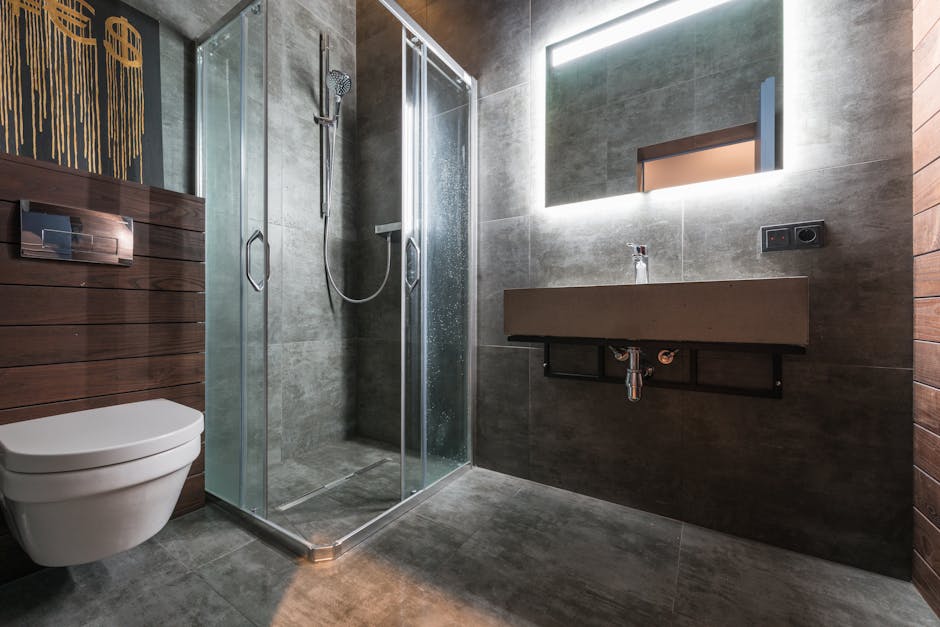
Understanding Mirror Halo Lighting: Backlighting vs Edge Lighting vs In-Glass Light Lines
When shopping for or evaluating a backlit bathroom mirror, it’s essential to grasp the distinctions in LED placement and how each method changes the vanity lighting effect. The three main approaches are:
- Backlighting (Full Halo): LEDs are placed behind the mirror, creating a glow that surrounds the mirror’s perimeter on the wall.
- Edge lighting: LEDs are embedded or mounted along the edges of the glass, typically on the mirror’s sides, top, bottom, or all around.
- In-glass light lines: Thin illuminated lines etched or sandblasted inside the mirror glass itself.
Backlighting (Full Halo)
The hallmark of a mirror halo lighting is that soft halo of light washing the wall surrounding the mirror. This halo effect can be subtle or bright, depending on the bulb intensity and wall characteristics. It’s incredibly flattering when paired with painted walls or tiles, as the light illuminates the wall texture and color.

However, some real-world caveats emerge: while photos and showroom displays gleam under controlled lighting, in actual bathrooms full halo lighting can feel somewhat flat or even harsh if the wall paint is gloss or the tile highly reflective. The continuous glow doesn't add much dimension to textural surfaces like wood or stone, which may respond better to directional edge lighting.
Edge Lighting: Lit Top and Bottom Edges vs Full Edge
Edge lighting splits into multiple design variations. A popular new trend is a mirror illuminated only along the top and bottom edges, rather than the entire perimeter. This approach offers a more streamlined, contemporary feel and can reduce light spill onto adjacent walls.
A mirror with lit top and bottom edges focuses the vanity lighting effect more directly, enhancing facial illumination while casting vertical washes of light across the wall above and below. Unlike the full halo that spreads a diffuse ring, this method creates softer gradients on textured materials like tile or natural stone, giving a subtle play of light and shadow that’s often more pleasing in daily use.
From a practical perspective, top-and-bottom edge lighting generally feels softer and less overpowering than a full halo, making it ideal in bathrooms where mood lighting and control over light intensity matter. On the other hand, full-edge lighting (all-around illumination) maximizes brightness and eye-catching wow factor but can compete with strong stone veining or busy mirror features, which sometimes leads to a cluttered or overly bright wall surface.. ...where was I?
In-Glass Light Lines
You know what's funny? lastly, in-glass light lines are thin, inside-the-glass led strips creating graphic lines or shapes within the mirror surface itself. These are decorative and precise but typically don’t replace other lighting sources as the main feature—they're best as accents or combined with backlighting.
Wall Impact: How Mirror Lighting Works with Paint, Tile, Wood, and Stone
Lighting’s effect on the surrounding walls frequently gets overlooked. When the LED mirror’s light hits the wall, the type of surface finishes drastically changes the perceived brightness and mood.
- Painted walls: Backlit full halo mirrors produce a smooth, glowing wash of light that emphasizes the wall color. Matte finishes soften this glow, while gloss or semi-gloss walls can reflect it sharply.
- Tile: Glossy tiles bounce light, which can amplify reflected brightness but can sometimes create unwanted glare. Edge-lit mirrors with lit top and bottom edges mitigate this by limiting directional spill.
- Wood: Particularly textured woods respond well to vertical light washes created by lit top and bottom edges, highlighting grain and creating warmth.
- Stone: Natural stone with irregular texture or veining benefits from edges of light that add depth without overexposing details, unlike the continuous ring of a full halo, which can flatten some textures.
Long Vanity Layouts: Using Multiple Mirrors with Varied Lighting
Long vanities pose unique challenges in lighting balance. Backlit mirrors with full halo lighting can dominate the wall if placed sequentially, potentially creating zones of overly bright light breaks.
Here, multiple mirrors with lit top and bottom edges aligned along the vanity can offer consistent illumination with a cleaner visual rhythm. The segmented light effect complements long expanses without overpowering the wall or clashing with adjacent finishes.
On social platforms like Twitter and Facebook, designers share varying results of these long layouts, but a frequent consensus supports the softer glow and lighted vanity mirror for small bathroom tailored wall washes as more user-friendly in real life than continuous halo light.
Final Thoughts: Which Mirror Lighting is Right for Your Bathroom?
Lighting Type Visual Effect Wall Interaction Best Use Cases Potential Drawbacks Full Halo Backlighting Uniform glowing ring around mirror Soft wash on matte walls, can feel harsh on gloss/tile Small to medium bathrooms, minimalist walls Can flatten texture, may feel too bright in large spaces Lit Top and Bottom Edges Directed vertical light bands Enhances texture, adds depth to wood/stone Long vanities, textured wall materials, soft illumination Less halo glow, may need supplemental lighting In-Glass Light Lines Graphic interior lines/accent Minimal wall wash, purely decorative Accent features, secondary lighting Not a primary light sourceThe verdict? For those prioritizing a vanity lighting effect that works well with a variety of wall materials and wants a modern yet practical upgrade for bathroom lighting, a mirror with lit top and bottom edges offers a compelling middle ground. It blends the benefits of integrated LED lighting with a controlled wall impact that won’t overpower your other design elements.
Incorporating LED mirrors from trusted sources like LED Mirror World, and drawing inspiration via design communities on Twitter and Facebook, can ensure you find the right style for your bathroom’s unique needs.
Ultimately, lighting is about layering and balance. Don’t hesitate to combine ambient, task, and accent lighting with your LED mirror choice for a space that’s as welcoming as it is functional.