Anti-fog Mirror Features That Actually Matter (and What to Skip)
Foggy bathroom mirrors are a universal annoyance that undermines morning routines and nighttime rituals alike. But when it comes to choosing an anti-fog mirror, there's a lot more than just a heated surface behind the glass. With 12 years of experience working alongside glaziers and electricians to specify, template, and install mirrors in residential remodels, I’ve seen firsthand which mirror features live up to the hype and which ones are smoke and mirrors. In this guide, we dig into the smart mirror failure points and explore the design decisions you absolutely can't ignore — from sizing and lighting placement to mounting and sensor dimming capabilities.
Along the way, I’ll reference industry pros like the National Kitchen & Bath Association (NKBA), and market leaders including Golden Lighting and Lumens, who set the tone for bathroom lighting trends and fixture innovations. Let’s focus on what matters most in mirror technology and integration, so you don’t get stuck with fog, glare, or a nightmare installation.
Mirror Types as Functional Decisions: Beyond Just Anti-fog
When choosing an anti-fog mirror, the mirror type — including shape, storage capability, mounting style, and built-in lighting — should be considered first, even before the anti-fog feature kicks in. These decisions have ripple effects on size, lighting layout, and mounting height.
Shape & Storage: Function Meets Style
- Rectangular vs. Round: Rectangular mirrors are still the go-to for maximizing reflective area and matching vanity dimensions. Round mirrors may look trendy, but they often sacrifice usable width and create awkward sconce spacing. NKBA guidelines suggest that oversizing round mirrors hinders wall sconce placement — a common smart mirror failure point.
- Storage Mirrors: Medicine cabinets with mirrored doors combine function and fog-free performance but require deeper wall niches and electrical access for integrated demisters. These are best reserved for remodels with space flexibility and a good trusted glazier to template the plate glass accurately.
Mounting Systems: Wall Hung vs. Recessed
Wall-hung mirrors are easier to swap out but require precise electrician coordination for hardwired LED and demister systems. Recessed mirrors offer a cleaner look but raise questions about moisture sealing and access for any repairs. Always insist on professional templating by a glazier to prevent sealing failures at edges — a top humidity failure cause.
Integrated Lighting: Front-lit vs. Backlit
Lighting Type Pros Cons Common Mistakes Front-lit (Vanity Frame or Sconces)- Higher CRI task lighting
- Shadows minimized on face
- Easier electrician install and sconce replacement
- Requires extra wall space for sconces
- Potential glare if fixtures are too close
- Even ambient light
- Sleek aesthetic
- Less wall clutter
- Lower output for tasks
- Harder to service LEDs behind mirror
- Marketing often hides diff between ambient vs. task lumens
Verdict: Always plan mirror width and sconces side-by-side. Lighting before mirror width is my habit, because lumens and CRI matter most to usability. I remember a project where was shocked by the final bill.. Too wide a mirror crowds sconces; too narrow fails on reflection.
Sizing Rules Tied to Lighting Layout
Want to know something interesting? the nkba provides excellent guidance on vanity mirror sizing that harmonizes with lighting placement. Here’s the skinny that every remodel specification should prioritize:
- Mirror width: Should be 6" to 12" narrower than the vanity width to leave room for sconces on either side.
- Sconce height: 65" to 70" above finished floor is ideal for most adults.
- Mirror height: Determined by height of tallest user but usually 36" to 40" high mirrors provide optimal task visibility.
Ignoring these sizing rules often leads to “smart mirror failure points,” such as obscured sconces, awkward viewing angles, or insufficient ambient task lighting.
Placement Heights and Sconce Spacing for Optimal Task Lighting
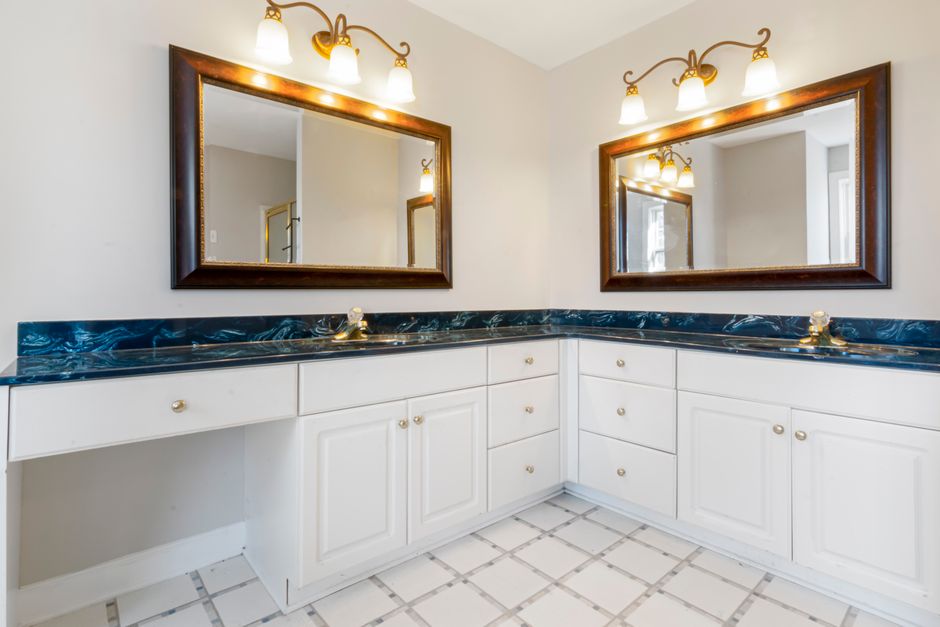
Placement isn’t just about aesthetics; it’s about function. Task lighting trumps ambient lighting for daily grooming, shaving, and makeup. Sconces flanking a architecturelab.net mirror at eye-level provide even light that minimizes shadows.
- Sconce Diameter & Spacing: Sconces should be mounted roughly 28" to 36" apart, centered vertically with the mirror’s midpoint, roughly 65"-70" AFF (above finished floor).
- Ceiling height consideration: Adjust fixture heights accordingly to maintain consistent light distribution, and discuss these measurements explicitly with your electrician to route feeds and avoid hidden conflicts.
- Electrical feeds & dimmers: Electricians should hardwire LED mirrors with dedicated feeds to enable sensor dimming for night use and overall lighting control.
Skip the impulse buy wall mirror light bars; they often deliver poor CRI and flat lighting. Instead, specify from trusted lines like Golden Lighting or Lumens that communicate lumen values, CRI, and dimming compatibility upfront.
Task Lighting vs. Ambient Lighting: Why Both Matter
Too often, buyers assume a backlit LED mirror covers all lighting needs. It does not. From an architectural and user standpoint, here’s the breakdown:
Lighting Type Purpose Typical Lumen Range Installation Notes Task Lighting Provide shadow-free illumination for face, shaving, makeup, grooming 800–1600 lumens per side (minimum) Flank mirror with wall sconces; electrician hardwire with dimmers Ambient Lighting Set overall mood and room illumination 200–600 lumens (depends on room size) Backlit mirror LEDs or ceiling fixtures; sensor dimming useful at nightAttempting to combine these into a single backlit mirror leads to lighting that either looks flat or is insufficient for grooming. If you want both, plan double circuits and consult your electrician early.
Essential Anti-Fog Mirror Features: What Works
Let’s cut to the chase on anti-fog mirrors and their failure points:
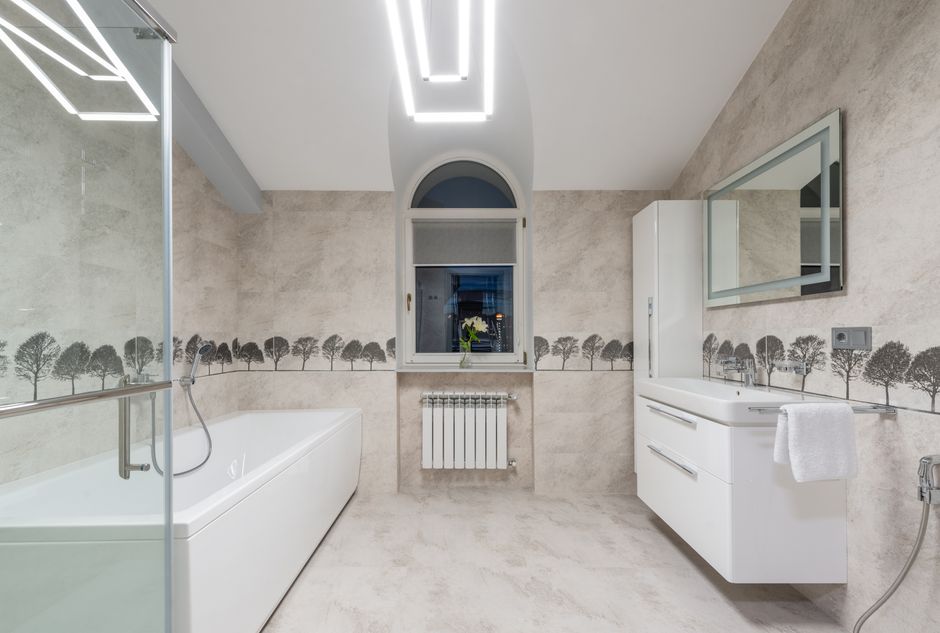
- Heated Demister Pads: These thin pads behind the glass prevent fog by evenly warming the mirror surface. Quality pads with proper sealing work well but must be installed with careful edge sealing by knowledgeable glaziers to avoid humidity damage.
- Sensor Dimming & Night Use: Motion sensors combined with dimmable LEDs add convenience for middle-of-the-night use and save energy --> a feature increasingly offered by Golden Lighting and Lumens smart mirrors.
- Power Source & Wiring: Hardwired installation by a qualified electrician is essential. Plug-in mirrors with demisters often look cheaper but fail long term due to frequent unplugging and moisture exposure.
- Glass Quality & Coatings: Opt for mirrors with high-quality silver backing and coatings that resist scratching and corrosion — a glazier can specify these during templating.
What to Skip:
- Plastic-framed Mirrors That Claim Anti-fog: Most cheap poly frames leak moisture, causing warping and demister failure.
- Minimal Edge Sealing: Edges must be sealed with industrial-grade silicone or vinyl; thin seals degrade fast in steam.
- Backlit Mirrors Promising “Task Light”: Typically ambient only, so don’t rely on them alone.
Coordinating Pros: Glaziers and Electricians
In every successful anti-fog mirror installation, pro collaboration is key:
- Glaziers: Responsible for precise templating and installation of plate glass and demister pads. They guarantee clean cutouts, proper edge sealing, and adherence to humidity standards.
- Electricians: Handle wiring for heated demister pads, hardwired LED illumination, and sensor dimming feeds. Early electrician involvement ensures compatible controls and code compliance.
These roles cannot be an afterthought. Design rooms with mirror and lighting specs finalized before ordering glass to avoid timing delays and costly rework.
Final Verdict
Anti-fog mirrors are more than just a heated pad behind the glass. Sizing, lighting type, mounting approach, and electrical integration are crucial design decisions that affect user experience and product longevity. Planning mirror and lighting dimensions together per NKBA rules avoids crowded sconces and dim light. Choosing a quality heated demister pad installed with professional glazier sealing, paired with electrician-hardwired feeds and sensor dimming, eliminates most common smart mirror failure points.
Demister yes. Dashboard maybe. Focus on measured, testable lighting quality and hardware integration — not marketing buzzwords. Your bathroom mirror should last as long as your remodel — fog-free, shadow-free, and future-proofed.