2 mm vs 3 mm Wire for DIY Handles: Which One Bends Easier?
If you’re like me—a 12-year packaging and reuse hobbyist who loves turning reclaimed boxes, gift bags, and totes into smart storage—you know that the humble handle is the bridge between functionality and comfort. Choosing the right wire thickness for DIY handles isn’t just about aesthetics or wire gauge numbers; it’s about trustworthiness, load capacity, and how friendly your tools and materials play together.
Today, we'll dive deep into comparing 2 mm and 3 mm wire for handles: which bends easier without snapping, how to reliably shape them using the right tools like parallel-action pliers and side cutters, and how to reinforce weaker bases before drilling holes so your handles don't suddenly drop like a leaky book off a tall shelf.
Why Wire Gauge Matters for DIY Handles
Wire gauge—the thickness of your wire—can be understood as the backbone stiffness of your handle. Think of 2 mm wire as a slim paperback https://daisydustmaid.com/what-comfort-radius-fits-average-hands-for-a-wire-handle/ novel, pliable and light, while 3 mm wire is more like a chunky hardcover tome—sturdier, sturdier to bend, but less forgiving.
But what does that mean when you use them as handles on reclaimed packaging? Can your thin cardstock boxes safely hold a stiff 3 mm wire handle without the edges tearing? Does the 2 mm wire handle provide enough strength or does it bend too easily when holding a crate of paperbacks? Let's unpack these critical questions.
Load Capacity and Bending Forces: The 35-40 Newtons Reference
When you lift a filled container, the handle experiences a bending force. For small to medium storage boxes, this force typically ranges around 35 to 40 newtons — roughly the weight of a small paperback novel or a filled tablet box. This is a practical quick mental weight reference—we’re not dealing with industrial steel beams here!
Under this load:
- 2 mm wire is easier to bend but may flex noticeably under 35-40 N, potentially causing discomfort or a sagging handle.
- 3 mm wire offers greater stiffness and load-bearing capacity but requires extra muscle and proper tools to bend without kinks or tears.
Bending Ease: 2 mm vs 3 mm Wire
Let’s put the wire diameter debate under the spotlight. Which wire bends easier? Intuition and material science agree that thinner wire bends more readily, but your success depends greatly on tool use and technique.
The Verdict: 2 mm Wire Bends Easier—But With Caveats
Due to the smaller cross-sectional area and lower bending moment, 2 mm wire requires less force to bend. It’s like trying to flip through softback pages instead of stiff cover boards. This makes 2 mm ideal for quick DIY jobs or where handle comfort (softer bends and slight give) is a priority.
However, easier bending also means less structural rigidity and a higher risk of deformation under load. If the handle bends too easily:
- Your box feels floppy and possibly unsafe.
- Repeated bending weakens the wire faster.
- The wire might puncture or tear fragile reclaimed packaging materials.
3 mm Wire Offers Superior Handle Comfort and Stiffness
The 3 mm wire, while tougher to bend, improves long-term handle durability and safety. Like a well-bound hardcover keeping a novel intact, it resists sagging and crippling under moderate loads (35-40 N). The downside is the force required to bend it increases nonlinearly—expect to exert upwards of 50% more effort.
Tools That Make or Break DIY Handle Success
Using the right tools is a must, especially when shifting from flexible 2 mm wire to stiffer 3 mm wire. Clumsy cuts and bends lead to jagged edges, tears, or worst, sudden handle failure—more disappointing than a missing page in your favorite book.
Parallel-Action Pliers: Your Secret for Clean, Uniform Bends
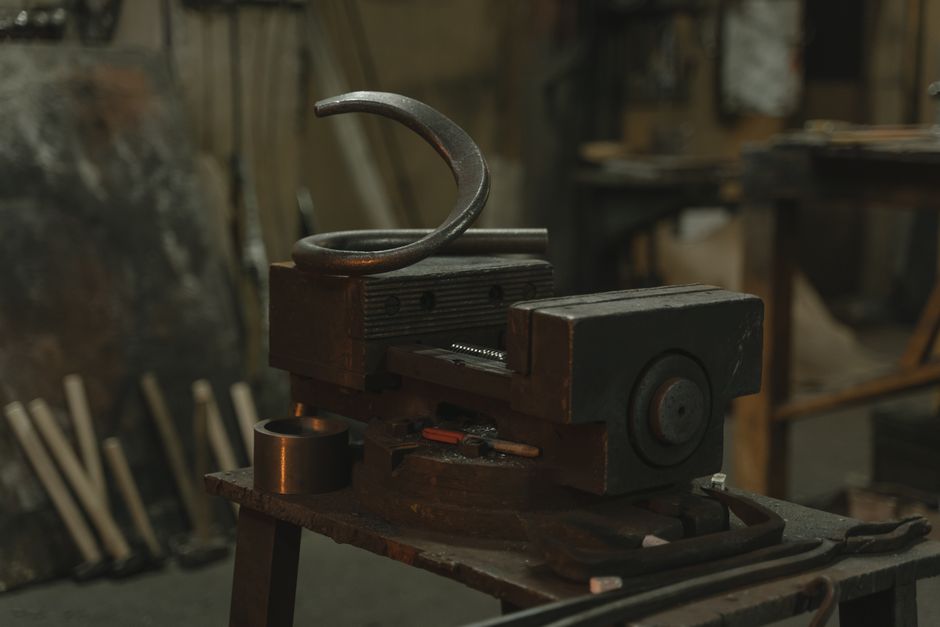
For clean, smooth bends, parallel-action pliers are a game changer. Unlike regular pliers, their jaws remain parallel throughout the gripping and bending process, which means:
- Avoiding unwanted wire twists and kinks.
- Controlled bending with even force distribution.
- Less deformation beyond your target angle ±1 mm tolerance.
Parallel-action pliers also reduce hand fatigue, letting you style 3 mm wires—even a crate’s worth—with precision and comfort.
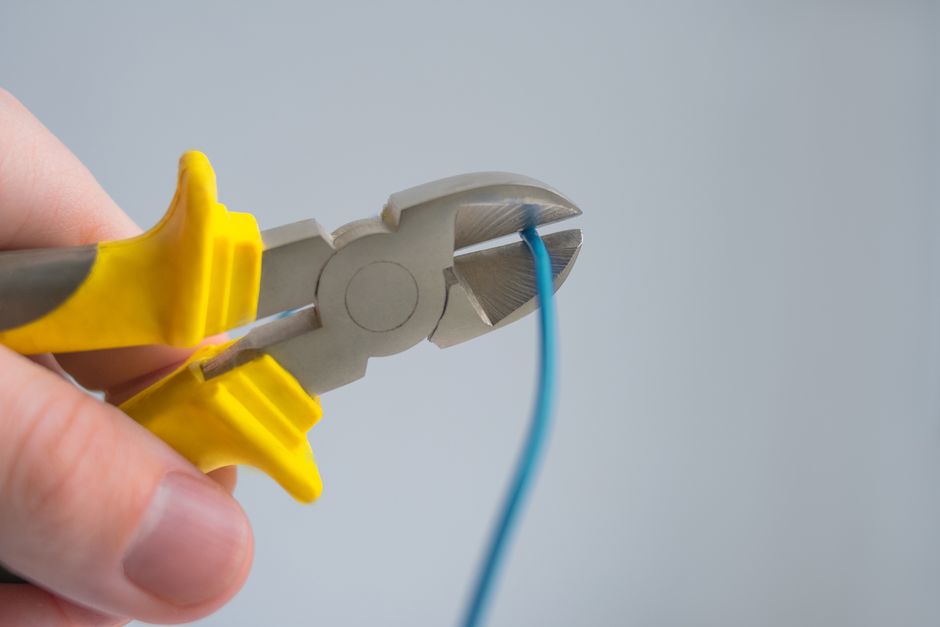
Side Cutters: Sharp, Safe Cuts Without Ragged Edges
Cutting wire might sound trivial, but poor tool choice can spell disaster. Familiarity with cheap or dull wire cutters often leads to ragged drill holes or frayed wire ends that create stress concentration points—precursors to sudden breaks.
The trick is to use high-quality side cutters designed for wire this thick 10 mm heat shrink tubing (particularly for 3 mm). Key points include:
- Make flush cuts to minimize sharp wire tips.
- Avoid squeezing wire close to the bend area to prevent cracks.
- Cut from the middle outwards for cleaner edges.
Reinforcing Weak Materials Before Drilling
Reclaimed packaging materials add vintage charm and sustainability to your storage—but their fragility means you must prep before drilling holes for handles.
Why Reinforce?
Thin cardboard, reused gift bags, or delicate paper composites struggle to hold the mechanical stress of handle wire ends without ripping, especially when 3 mm wire is involved. Reinforcement acts like the protective library binding for fragile book pages—it keeps everything intact under repeated use.
Reinforcement Tips
- Laminating with extra layers: Glue additional cardboard patches behind drilling spots.
- Using hardboard or thin plywood: Sandwich thin, rigid sheets inside the packaging wall for load distribution.
- Applying fabric strips: Strong cloth or canvas tape glued and wrapped around stress points reduces tear risk.
- Drill pilot holes slightly smaller: This ensures drilled holes don't start new micro-fissures—plus/minus 1 mm tolerance here helps preserve material integrity.
Summary Table: 2 mm vs 3 mm Wire for DIY Handles
Criteria 2 mm Wire 3 mm Wire Bending Ease Easy to bend manually; good for quick adjustments Requires more force; best with parallel-action pliers Load Capacity Lower stiffness; may sag at 35-40 newtons Higher stiffness; holds firm under 35-40 newtons Tool Compatibility Pliers for 2 mm wire suffice; side cutters easy to use Needs robust pliers for 3 mm wire and sharp side cutters Material Impact Less tearing risk from wire thickness but flexes more Can tear weak packaging if not reinforced properly Handle Comfort More forgiving, slight flex adds comfort More rigid; ergonomic shaping required to avoid discomfortFinal Thoughts: Which Wire for Your DIY Handle?
Choosing between 2 mm and 3 mm wire for reclaimed packaging handles is a balance of bending ease, load capacity, material strength, and comfort. For light duty, delicate boxes or rapid turns, 2 mm wire is your paperback friend—flexible and forgiving.
For robust, longer-lasting handles that feel like library hardcovers, protecting precious cargo, 3 mm wire is worth the extra elbow grease—provided you use parallel-action pliers for clean bends and sharp side cutters for neat finishes. And never skimp on reinforcing weak packaging before drilling—it’s the binding that keeps your storage system dependable and tear-free.
With these tips, your next DIY handle project will be as satisfying as finding that perfectly indexed book on a well-organized shelf—smooth, reliable, and beautifully crafted within a plus-minus 1 mm precision.